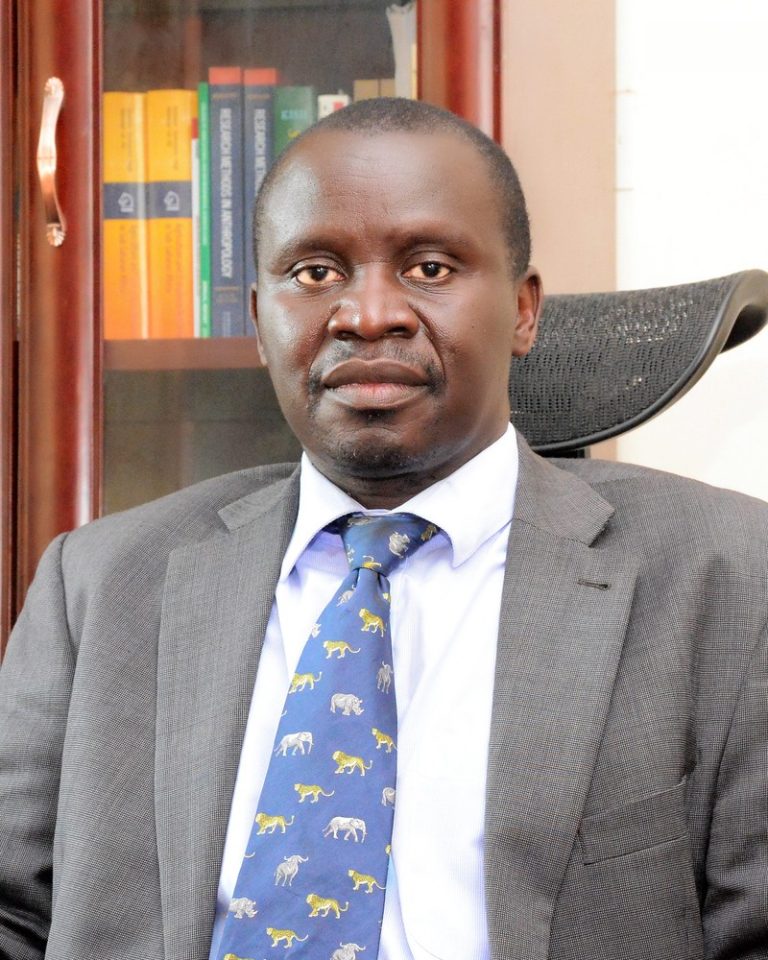
Guest of Honour
Chairman, Uganda Vice Chancellors' Forum (UVCF)
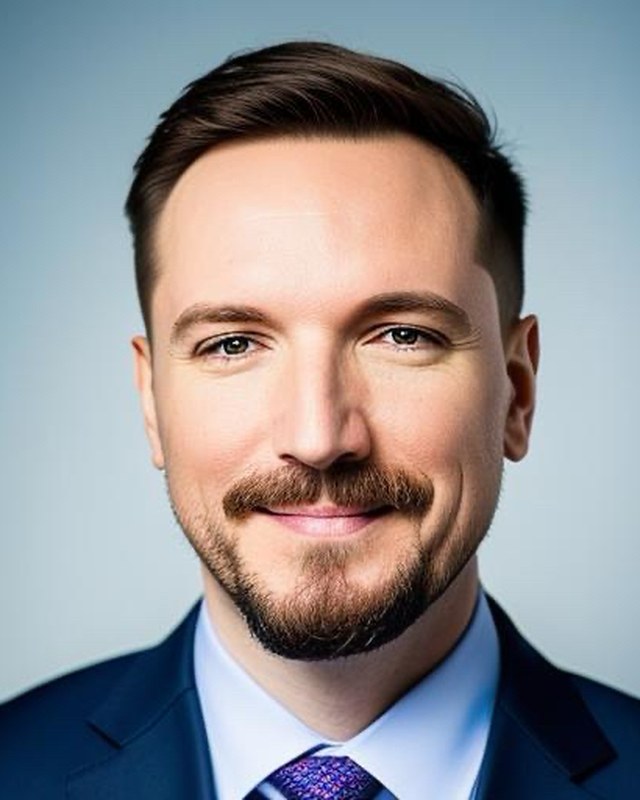
Speaker
Chief Operations Officer, International Research Centre on Artificial Intelligence (IRCAI)
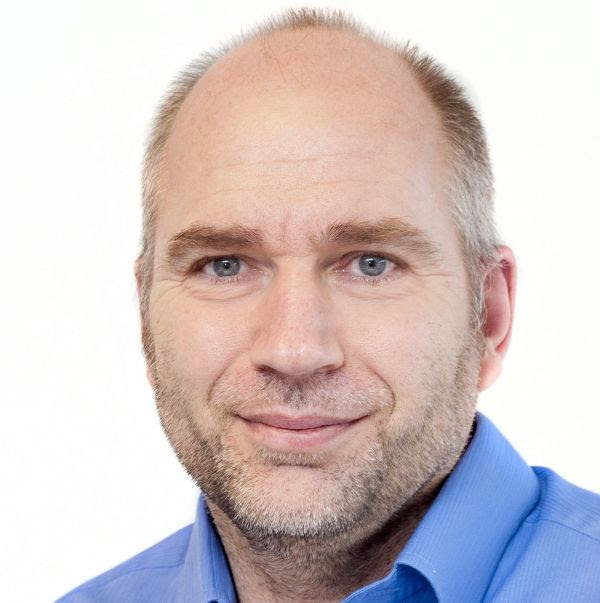
Speaker
Chief Services Officer, GÉANT, Inventor of eduroam
Speaker
Chief Information Officer, University of the Witwatersrand, Johannesburg (Wits University)
Speaker
Director of Enterprise Architecture, University of Notre Dame
Speaker
Lecturer and Research Engineer, AP University of Applied Sciences and Arts Antwerp
Speaker
Vice Chancellor, Victoria University
 Uganda
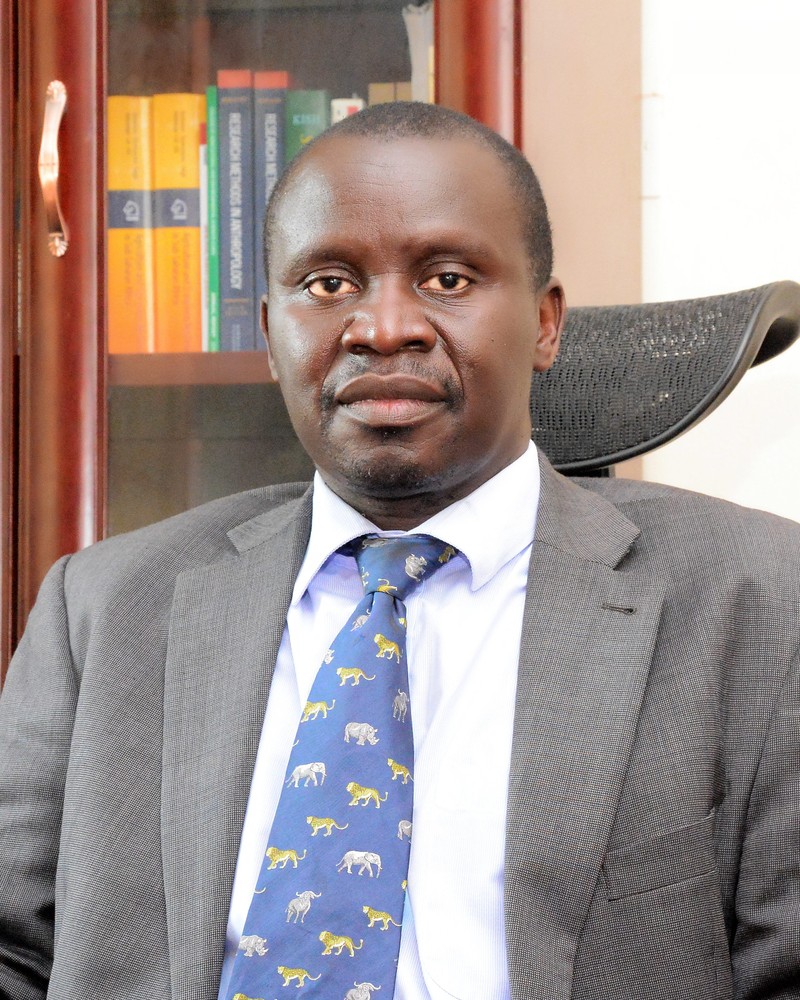
Prof. Paul Waako is the Vice Chancellor of Busitema University and the Chairman of the Uganda Vice Chancellors' Forum (UVCF), the platform through which the leaders of Uganda's universities address the common challenges of higher education. A medical doctor and pharmacologist, he has led Busitema University since 1 May 2019 and was elected to chair the Forum on 17 February 2025.
Before becoming Vice Chancellor he was the founding Dean of the Faculty of Health Sciences at Busitema University, where he built the faculty's staff, academic programes and community training sites. Earlier he chaired the Department of Pharmacology and Therapeutics at Makerere University for nine years, and directed the activities of the Makerere University Medicines Information Centre, which gives free information on the use of medicines. He rose through the ranks at Makerere from Lecturer to Professor.
His research covers traditional medicines, drug discovery and development, the rational use of medicines and medicine supply systems, with more than 50 publications in peer reviewed journals. He is a Fellow of the Uganda National Academy of Sciences and a Senior Research Fellow at Queen Mary University of London. He holds a Bachelor of Medicine and Bachelor of Surgery and a Master of Science in Pharmacology from Makerere University, a Doctor of Philosophy (PhD) specializing in drug discovery and development from the University of Cape Town in South Africa, and a Postgraduate Diploma in Management from the Uganda Management Institute.
SloveniaSpeaker
Davor Orlič
Chief Operations Officer
International Research Centre on Artificial Intelligence (IRCAI)
At the forum
- Day One, Thursday 21 January09:45 to 10:30Preparing institutions for the AI eraOpening keynote
Davor Orlič is the Chief Operations Officer of the International Research Centre on Artificial Intelligence (IRCAI), which works under the auspices of UNESCO, and of the Knowledge 4 All Foundation.
His work links artificial intelligence research with education and open knowledge, including support for the UNESCO Recommendation on Open Educational Resources (OER). He co-founded VideoLectures.net, the open archive of academic lectures, and holds a master's degree in Digital Humanities from University College London.
NetherlandsSpeaker
Klaas Wierenga
Chief Services Officer, GÉANT
Inventor of eduroam
Klaas Wierenga is the inventor of eduroam, the free WiFi roaming service that lets millions of students, researchers and staff connect at universities and research institutions around the world, including across Uganda through RENU. He is Chief Services Officer at GÉANT, the organization behind Europe's research and education network, where he leads the Trust and Identity, Security, Products and Services, Cloud, and New Services Development teams.
He created eduroam in 2002 while at SURFnet, the Dutch national research and education network (NREN), where he also built the first generation of federated identity systems. He later spent several years at Cisco Systems as a senior consulting engineer and identity architect before returning to the research and education community at GÉANT.
He has chaired the GÉANT Task Force on Mobility and a working group of the Internet Engineering Task Force (IETF), served on the IETF Security Directorate, written several Internet standards documents including the one that defines the eduroam architecture, and holds five United States patents. He co-authored Building the Mobile Internet (2011) and Wireless Networking in the Developing World (2013), and holds a master's degree in computer science from the University of Groningen. In 2012 he received the first GÉANT Community Award, and in 2019 he was inducted into the Internet Hall of Fame, both for creating eduroam.
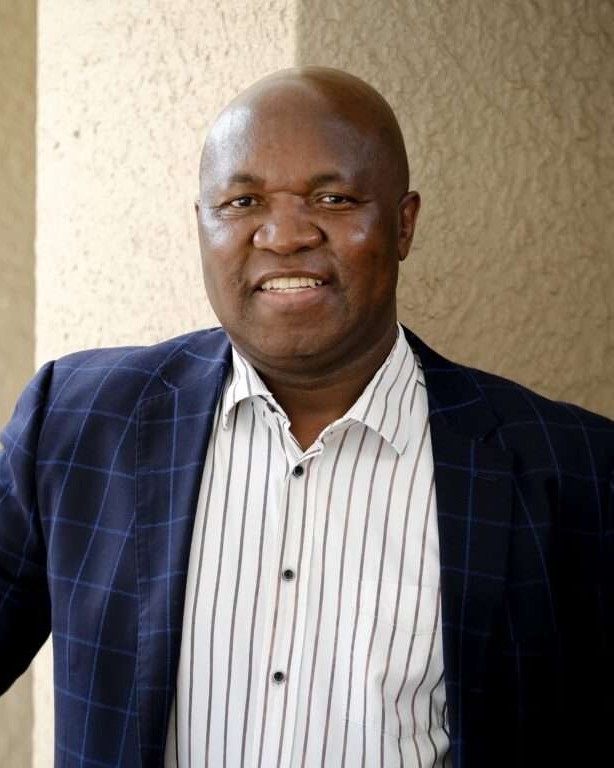
South AfricaSpeaker
Dr Stanley Mgobansimbi Mpofu
Chief Information Officer
University of the Witwatersrand, Johannesburg (Wits University)
Dr Stanley Mgobansimbi Mpofu is the Chief Information Officer (CIO) of the University of the Witwatersrand (Wits University) in Johannesburg, South Africa, a post he has held since May 2017. He chairs Higher Education Information Technology South Africa (HEITSA), which represents the heads of information technology at South Africa's 26 public universities, and he has more than 30 years of experience in the country's technology and higher education sectors.
At Wits he turned the Information and Communication Technology (ICT) division into a strategic unit of the university. He led the move to digital learning, from smart classrooms to the rapid shift to online teaching during the COVID 19 pandemic, and after a successful rollout at Wits he helped extend eduroam, the secure global Wi-Fi roaming service for education and research, to all of South Africa's public universities.
He began his career in 1995 as a desktop support technician at Datavia, the information technology division of Transnet, and later worked as a network administrator at Arivia.kom. He then spent about fifteen years at Eskom, the national power utility, rising from project manager to Senior Information Technology Manager, responsible for ICT strategy and operations across the Eskom Enterprises group.
In 2026 he was appointed to the ICT Committee of Council of the Council on Higher Education (CHE) and to the board of the South African Institute of Chartered Accountants (SAICA). He was named CIO of the Year at the 2024 CIO Awards, where his team also won IT Project of the Year, and he has received the Visionary CIO award from the Institute of Information Technology Professionals South Africa (IITPSA) and the ITWeb CIO of the Decade award in the public sector category. He holds a Doctor of Philosophy (PhD) in Strategy and Leadership from Wits University and a Master of Commerce in Project Management, and is a Chartered CIO and a certified director.
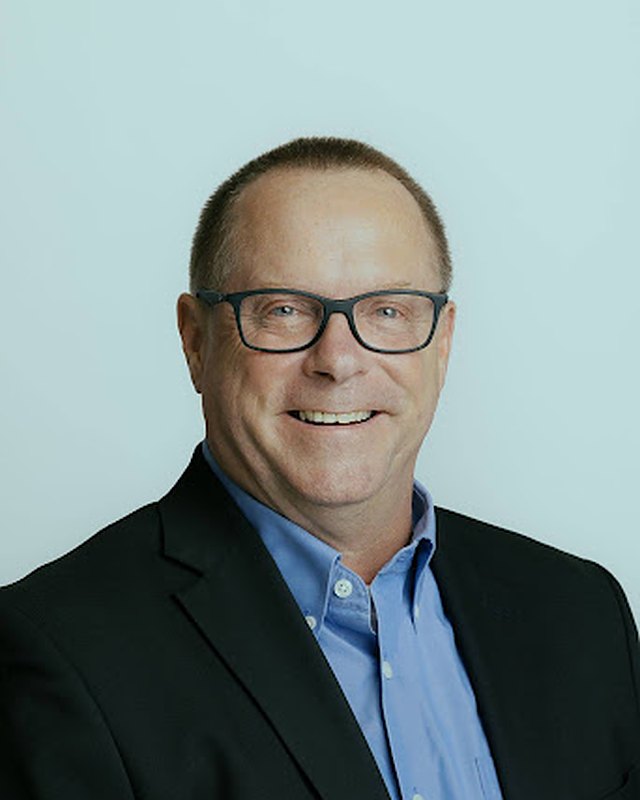
United StatesSpeaker
Tom Marentette
Director of Enterprise Architecture
University of Notre Dame
Tom Marentette is Director of Enterprise Architecture at the University of Notre Dame in the United States, where he has worked since 1997. Over that time he has held a range of information technology roles, from network engineering and project management to lead architect for teaching and learning technologies, responsible for the strategy, planning and delivery of the university's enterprise academic technologies.
His work has a strong focus on Information and Communication Technologies for Development (ICT4D). He co-founded TechServe Inc. in Guyana to close the digital divide and the Kola Climate Tech Hub, a climate technology incubator in Tanzania, and he is Interim Executive Director of BOSCO, Inc.
He holds a bachelor's degree in Telecommunications and Film from Eastern Michigan University and a master's degree in Global Technology and Development from Arizona State University. He is a three time Mandela Washington Fellowship Reciprocal Exchange awardee, received the Young Leaders of the Americas Initiative (YLAI) Reciprocal Exchange award and is on the Fulbright Specialist roster.
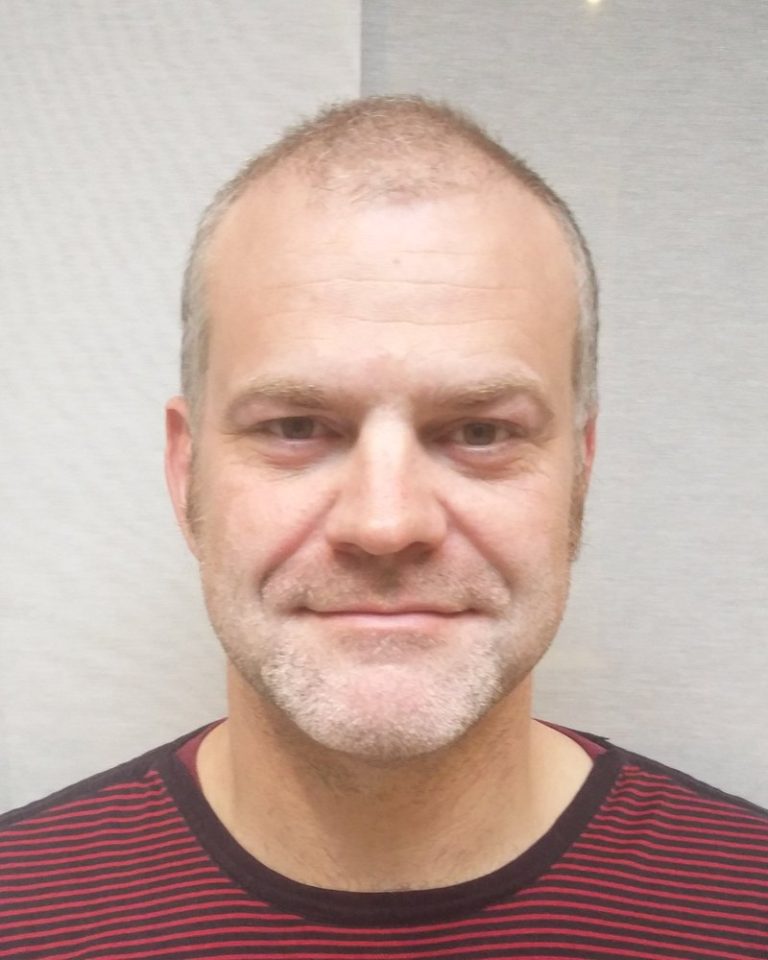
Speaker
Ing. Dirk Van Merode
Lecturer and Research Engineer
AP University of Applied Sciences and Arts Antwerp
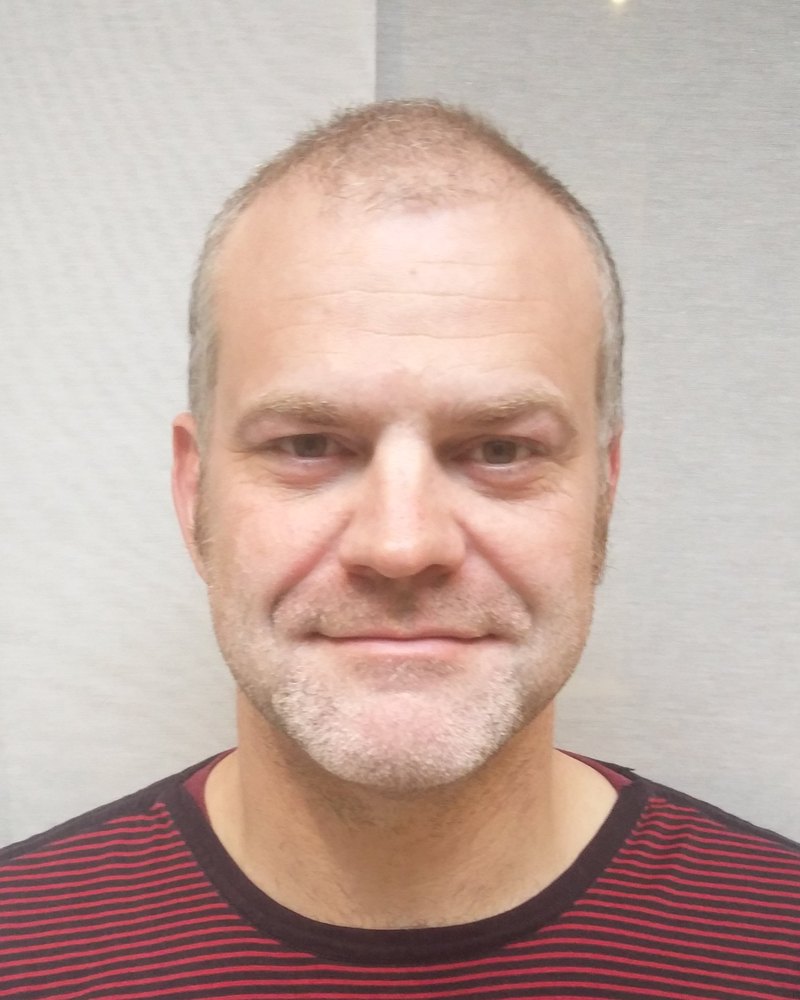
Ing. Dirk Van Merode is a lecturer and research engineer at AP University of Applied Sciences and Arts Antwerp in Belgium, where he has worked since 2018. His expertise covers the Internet of Things (IoT), digital systems design, embedded systems, printed circuit board design and production, and audio and video production. He has also carried out research in space applications and satellite development.
An electronics engineer who completed his studies in 2002, he first taught in secondary education and then joined Lessius University College (now Thomas More University of Applied Sciences) in 2007 for teaching and research. He has more than 15 years of experience writing, coordinating and assessing international projects, mostly European Union (EU) funded curriculum development and staff and student mobility projects with countries outside the EU, and has been a guest professor and adviser at universities in Europe, Asia and Africa.
He has strong links with East Africa and Uganda. He coordinated ACTEA (Applied Curricula in Technology for East Africa), an Erasmus+ curriculum project, and was a partner in the university cooperation programme of the Flemish Interuniversity Council (VLIR-UOS) with Mountains of the Moon University in Fort Portal and in the New Covenant Rural Orphans School in Bwera. He is president of Ekisande Belgium, a non-profit organization working with developing countries, and runs his own consultancy, VMD Expertise.
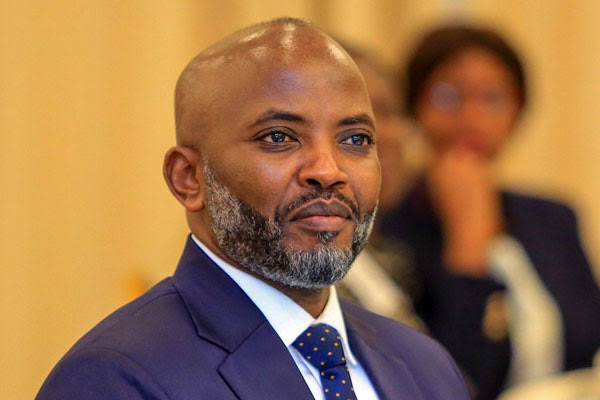
Speaker
Dr. Lawrence Muganga
Vice Chancellor
Victoria University
Dr. Lawrence Muganga is the Vice Chancellor of Victoria University in Kampala, a post he has held since 2020. Under his leadership the university has built its teaching around work integrated learning and competency based education, and has brought artificial intelligence (AI) and immersive technologies into the classroom, an approach it describes as practical, technology driven and student centered.
He is a prominent voice on education and technology in Uganda. In March 2026 he wrote to the President urging a nationwide One Laptop Per Child programme to give every school going child a personal digital device, a proposal that sparked wide national debate. He is the author of the books You Can't Make Fish Climb Trees (2019) and Authentic University, and in 2023 he received the Pan African Revolutionary Educationist award for his work on authentic learning rooted in African knowledge.
He holds a bachelor's degree in Social Sciences (Economics and Rural Economy) and a master's degree in Economic Policy Management from Makerere University, a master's degree in Adult Education and a Doctor of Philosophy (PhD) in Educational Administration and Leadership from the University of Alberta in Canada, and a Higher Education Teaching Certificate from the Derek Bok Center for Teaching and Learning at Harvard University. Before Victoria University he worked as an internal auditor with the Rwanda Revenue Authority and as a policy advisor with the Government of Alberta.